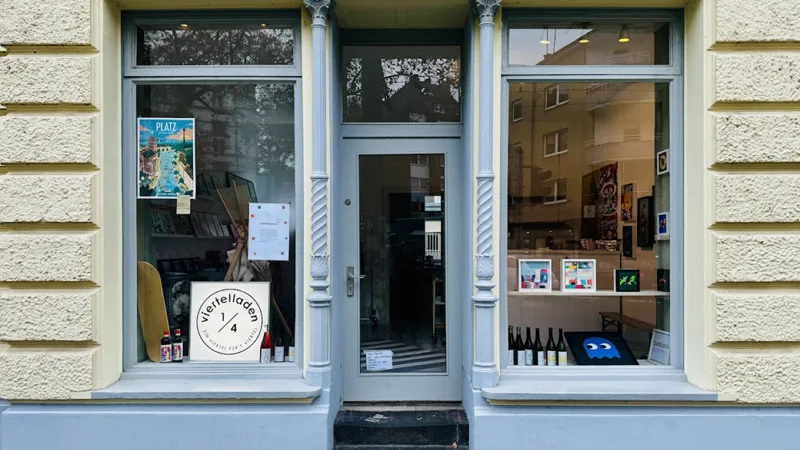
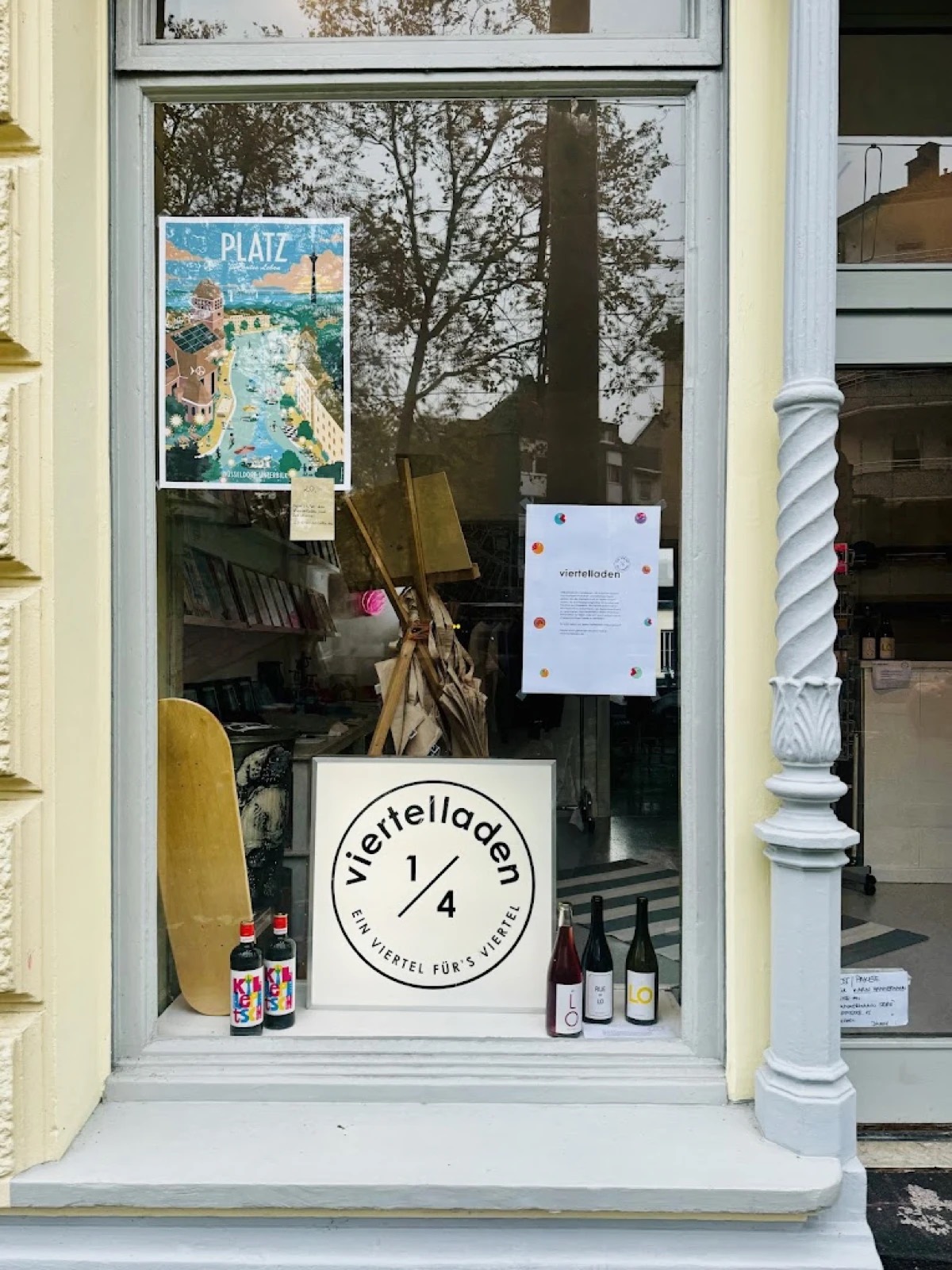
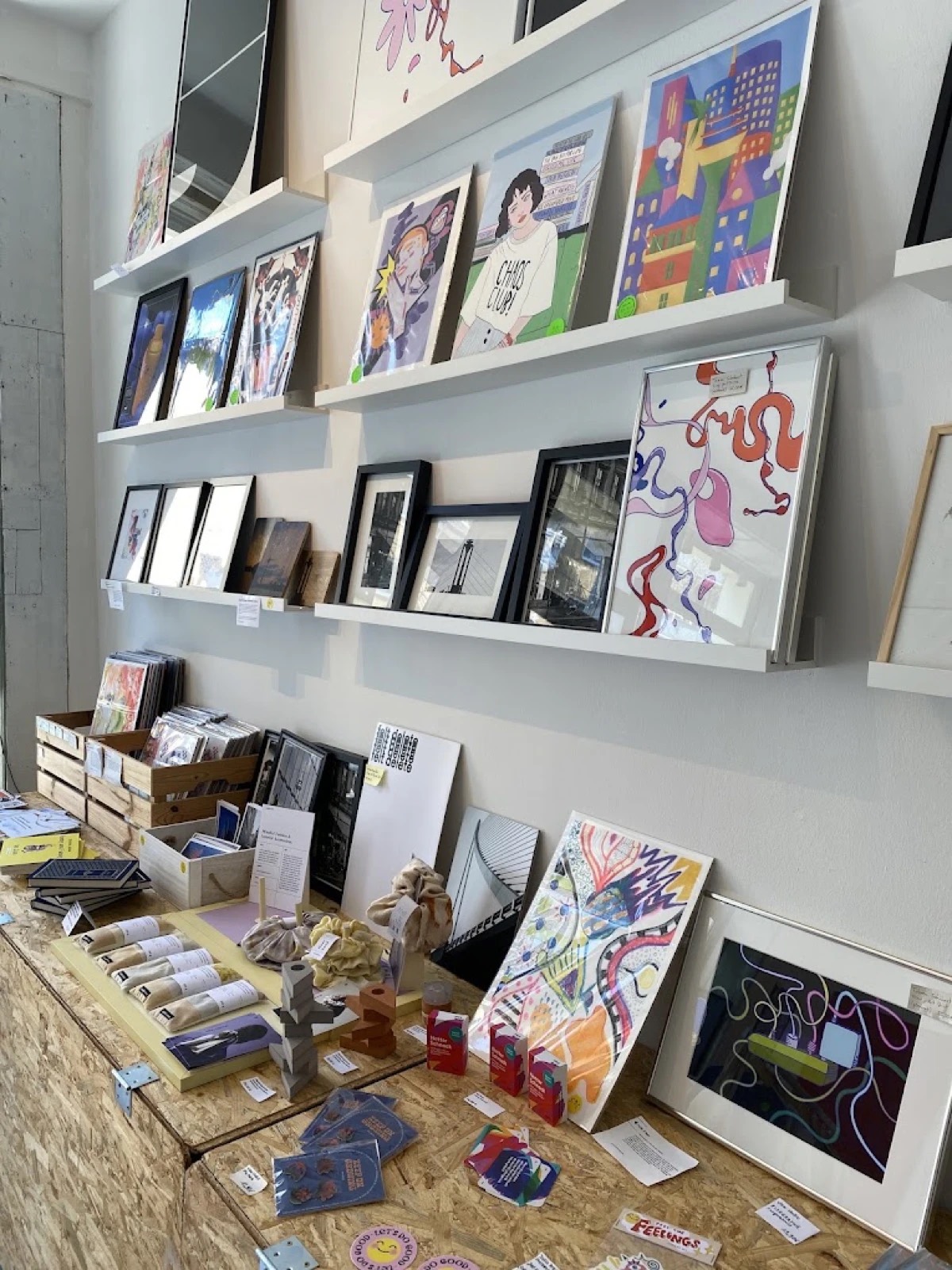
The Viertelladen sits in Düsseldorf-Unterbilk, between old apartment buildings and bars, and it is exactly what it looks like: a store for the neighborhood. Small space, fixed budget, an assortment from the streets around it - prints, cards, ceramics, clothing, Killepitsch.
It is also the store where Spreat started. Not as a pilot project with a contract and a kickoff, but because someone had a problem that had no solution yet: a store this size can only buy what it can afford - and it can afford little.
Every euro tied up in goods is missing from the account
The math of a small store is unforgiving. Carry ten producers and you have paid for those ten - and taking on an eleventh means spending money you do not have. So it stays at ten, and the space does less than it could.
With Spreat the store buys nothing at all. The goods belong to the brands until someone takes them to the till; the store earns a commission. Ten producers became 33 - in the same space, with the same bank account.
- 10
- producers before
- 33
- producers after
- €0
- spent on stock
as many as the buying budget allowed
on the same space
the goods stayed the brands' property
What is on the shop floor
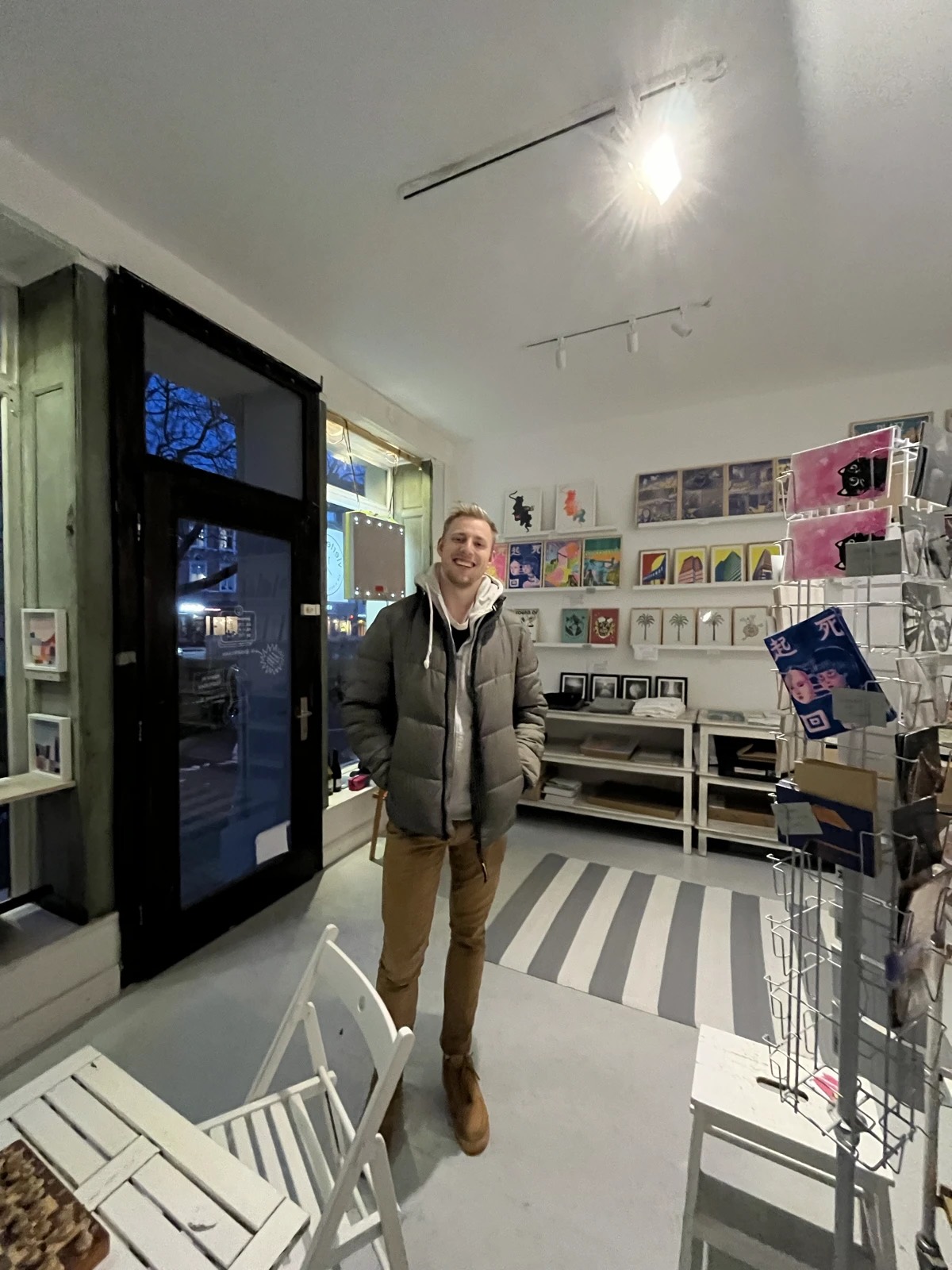
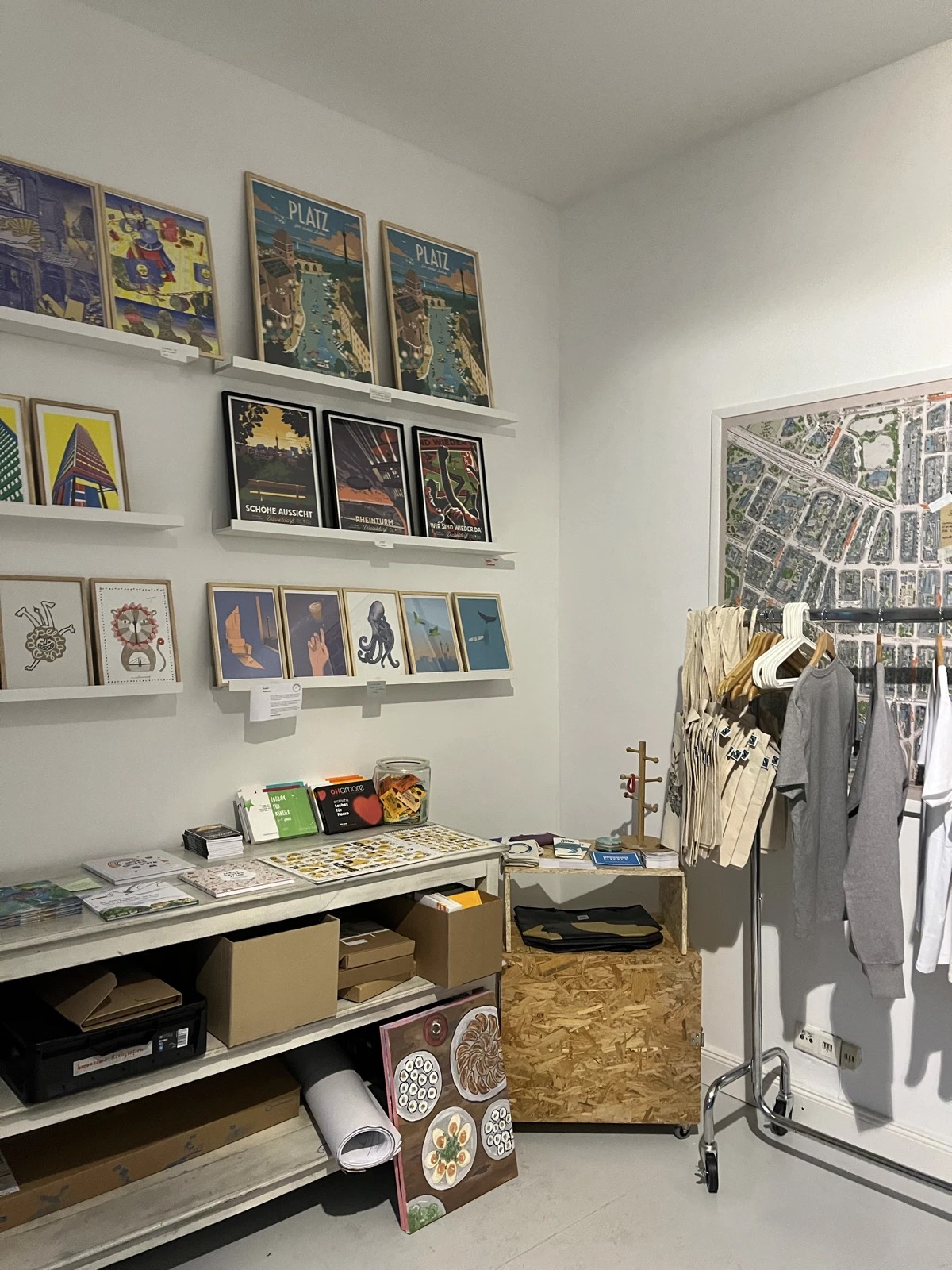
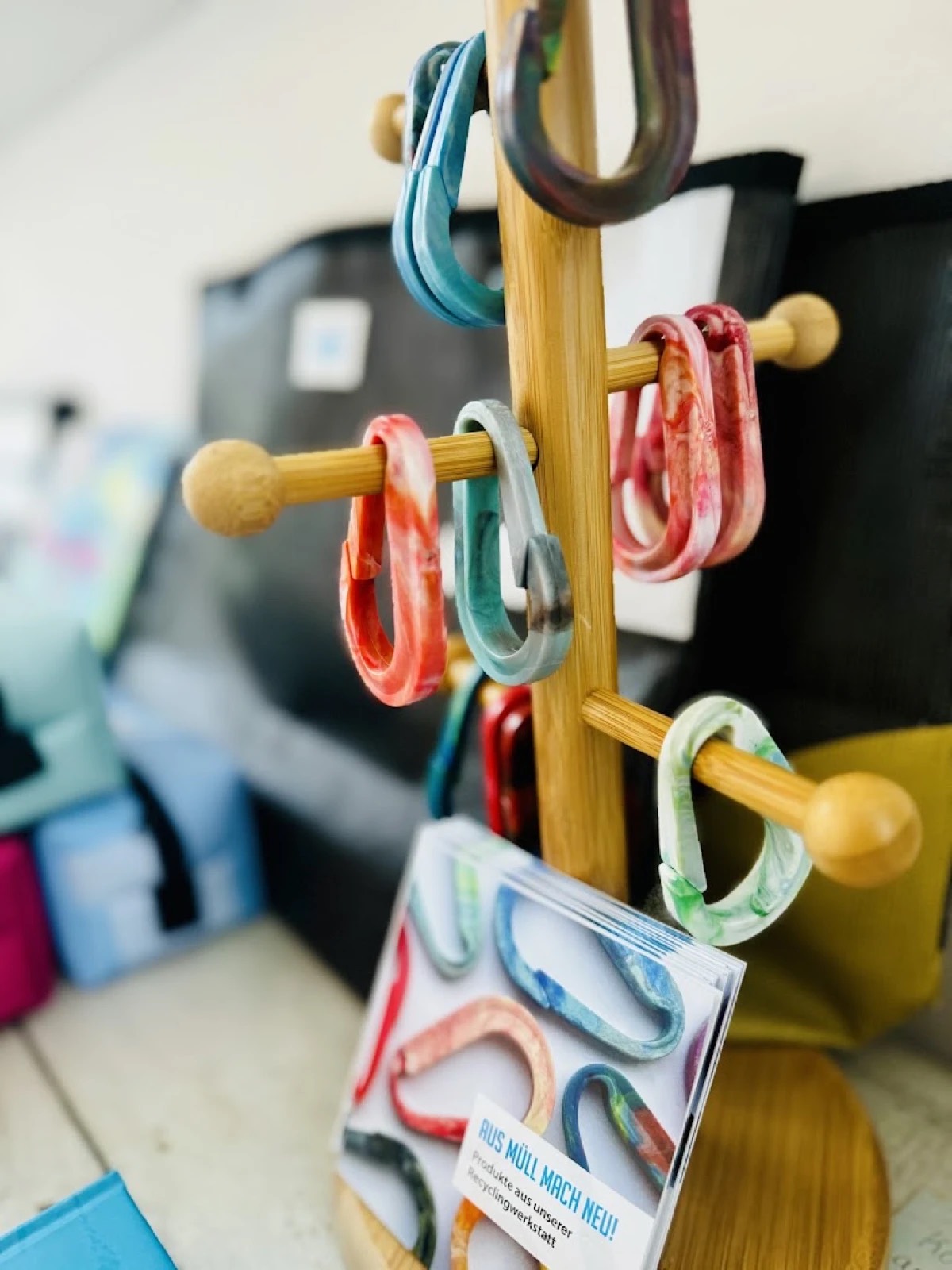
A look at the assortment as of January 2025: 385 items, 244 different products, 1,346 units in the store. The average price is €35 - well above a Christmas market, well below a gallery. The commission is usually 25%, with some brands 20%.
More interesting than the totals is how they came about: between March and December 2024, new goods entered the assortment on 41 different days. No seasonal changeover, no order dates - the store topped up throughout the year whenever something fit.
Why it stays a neighborhood store
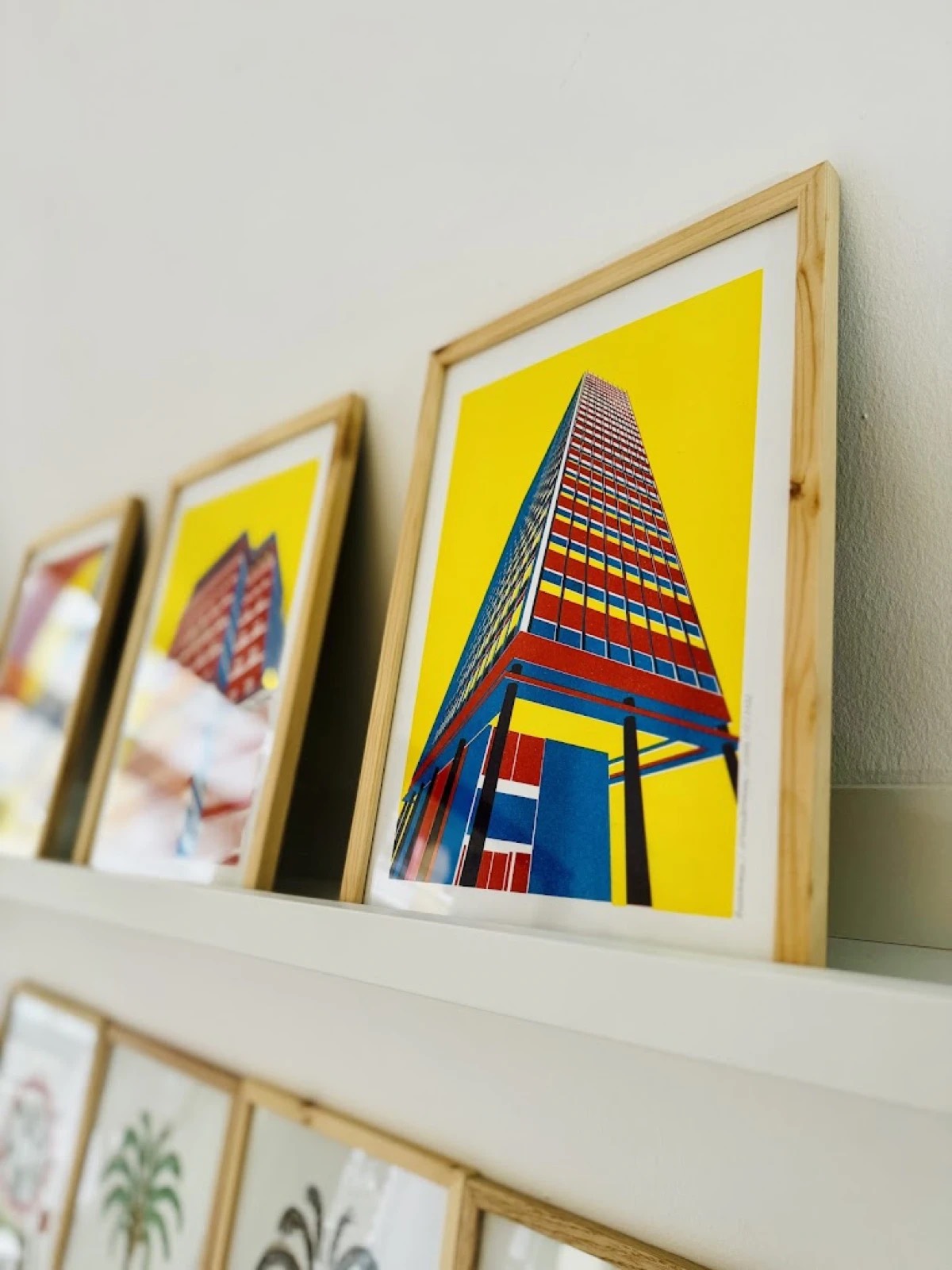
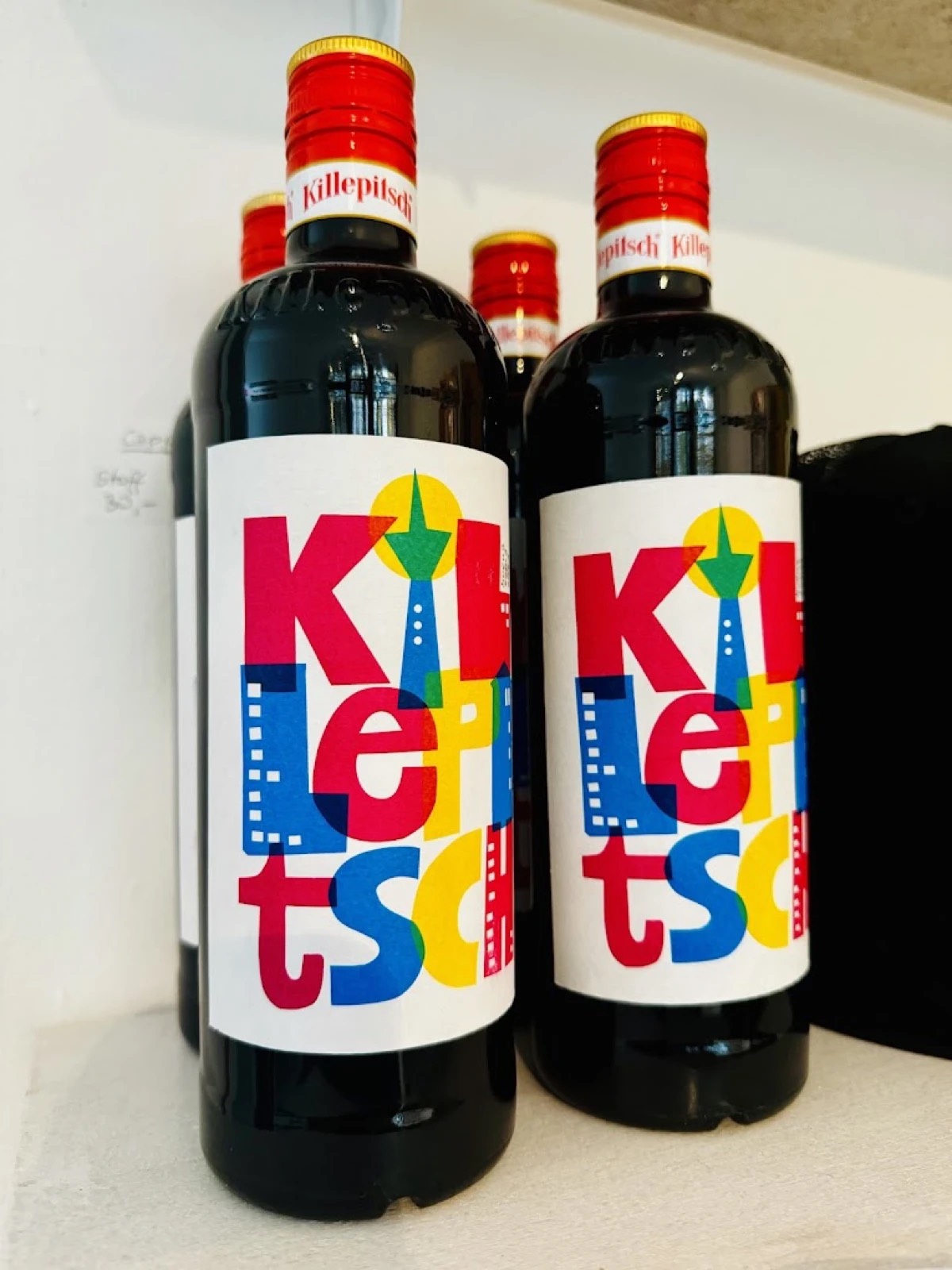
A bigger assortment does not automatically turn a Viertelladen into a concept store - and it is not meant to. What comes in comes from the same city: posters of the Dreischeibenhaus, illustrations from the neighborhood, clothing from small labels, Killepitsch.
That is exactly the point where the model works for a store this size. It does not have to guess what will land. It can put it out, and if it does not sell, it goes back - without a single euro having been spent on it.
“You saved our store.”
The line is from Klaus Mader, and he means it literally. What began here now runs in electronics stores and in a town's pop-up store - but the principle is still the same as back then in Unterbilk: the store is a marketplace, not a buyer.