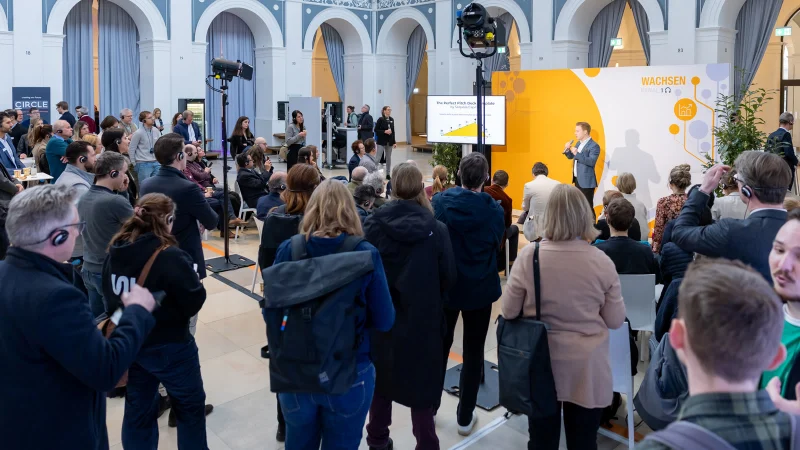
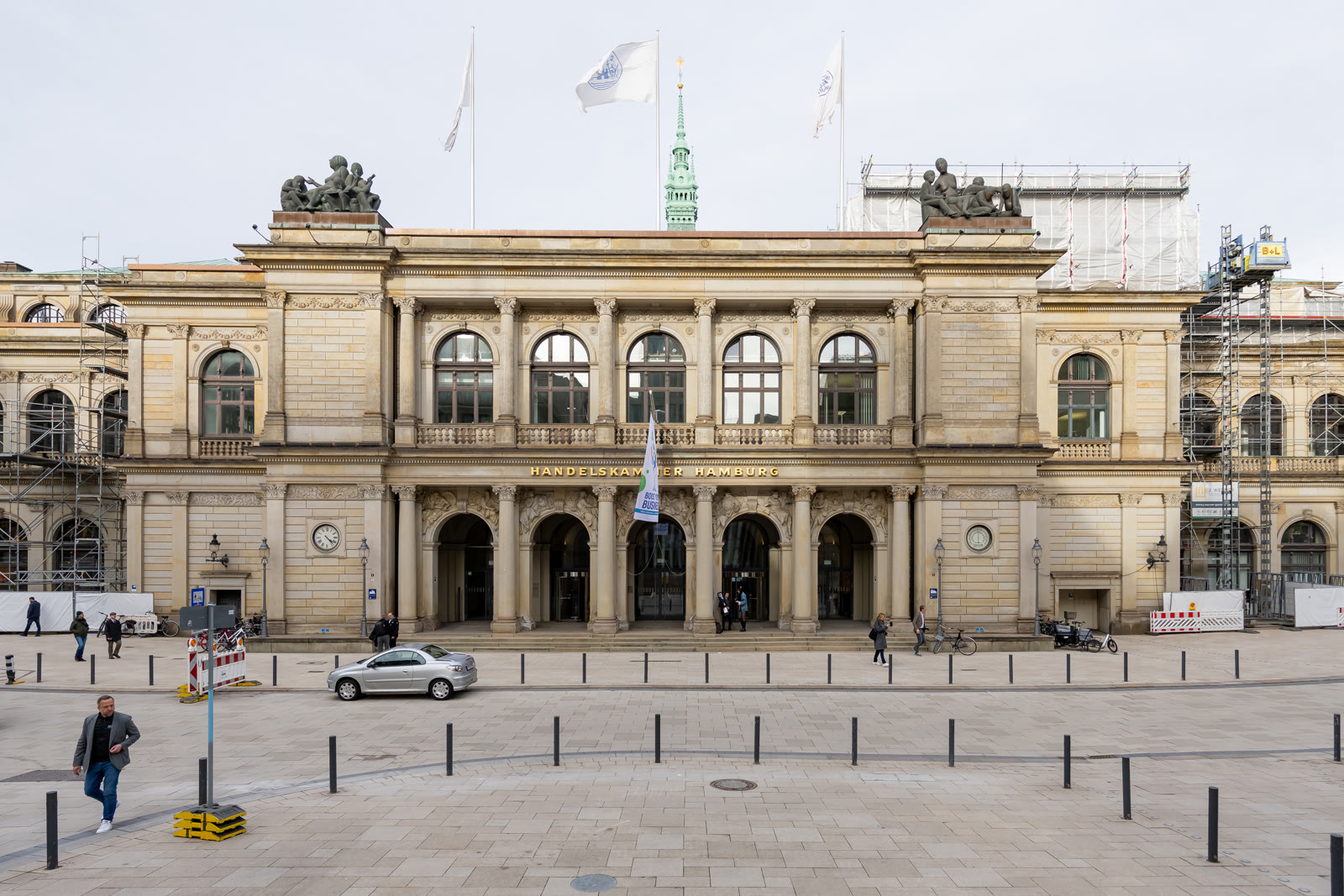
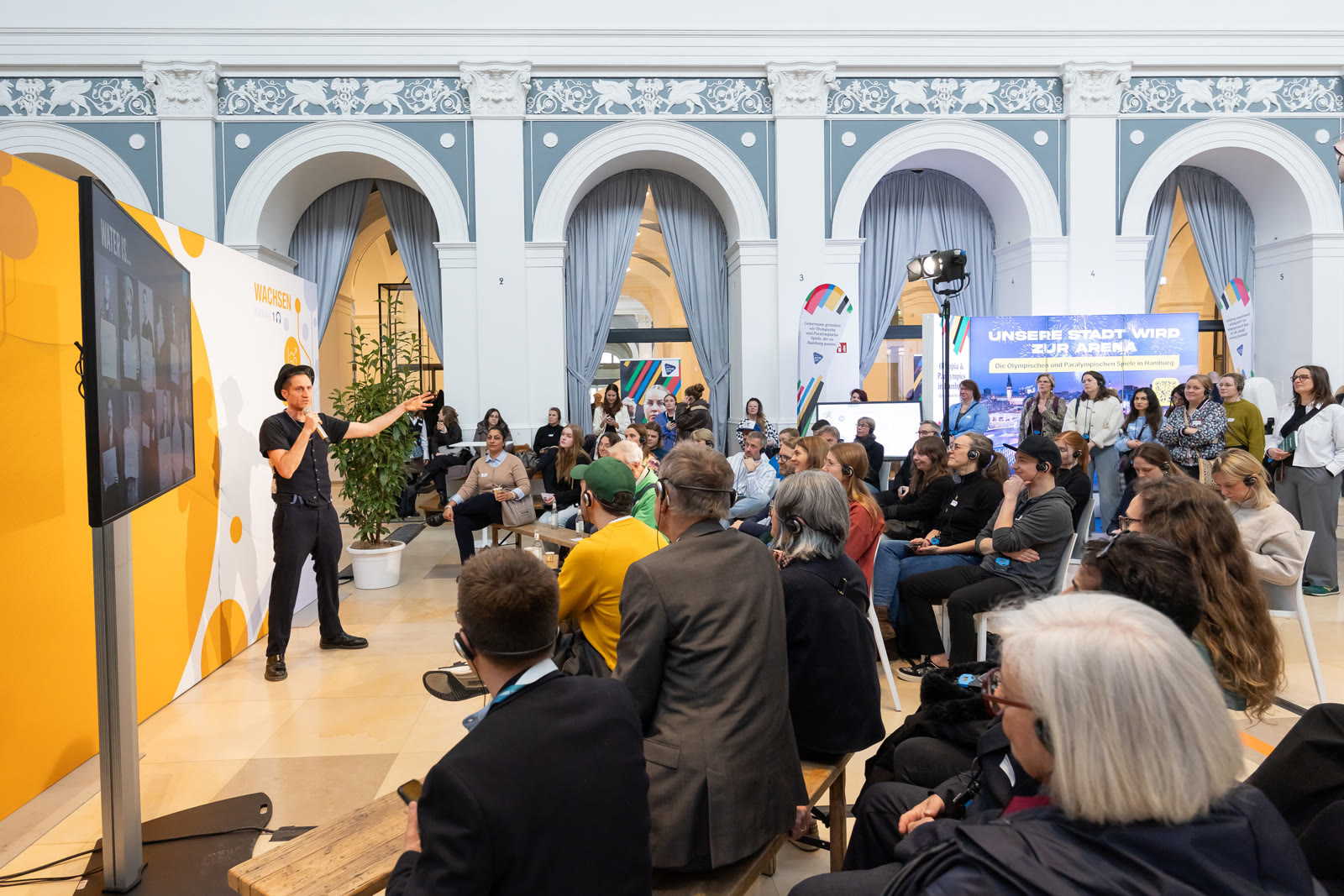
On 17 March 2026 the Hamburg Chamber of Commerce opened its building for “Boost your Business - small businesses, big opportunities”. Five stages, each named after what was discussed on it: founding, growing, securing, digitalising, communicating. More than fifty talks, plus consultation hours and meet-ups. Paul Kirchbichler was there as a speaker.
Most events about the future of retail talk to chains. Here sat the part of retail that usually gets talked about: shops run by a handful of people, where a bad buying decision is not a line in a report but a month.
The two numbers of a small shop
A small store has two numbers pulling against each other. One is space: with little of it, every metre has to earn money, so you need choice. The other is liquidity: every euro tied up in goods is not in the bank.
Traditionally you do not solve that, you pick a side. More choice means more capital tied up; less capital means less choice. The way out is not buying better but not buying at all: if the goods stay the brand's until they sell, an extra product in the assortment costs nothing up front.
- 1 week
- until new goods are on the floor
- 10 → 33
- producers in the same space
- 1.5 months
- until the setup has paid for itself
instead of months through a classic listing
Viertelladen in Düsseldorf, with no buying budget
on average
None of this is theory for large operations. The Viertelladen in Düsseldorf-Unterbilk is a neighbourhood store, and the pop-up in Rhede ran for four weeks. Both are sizes that somebody in that room owns.